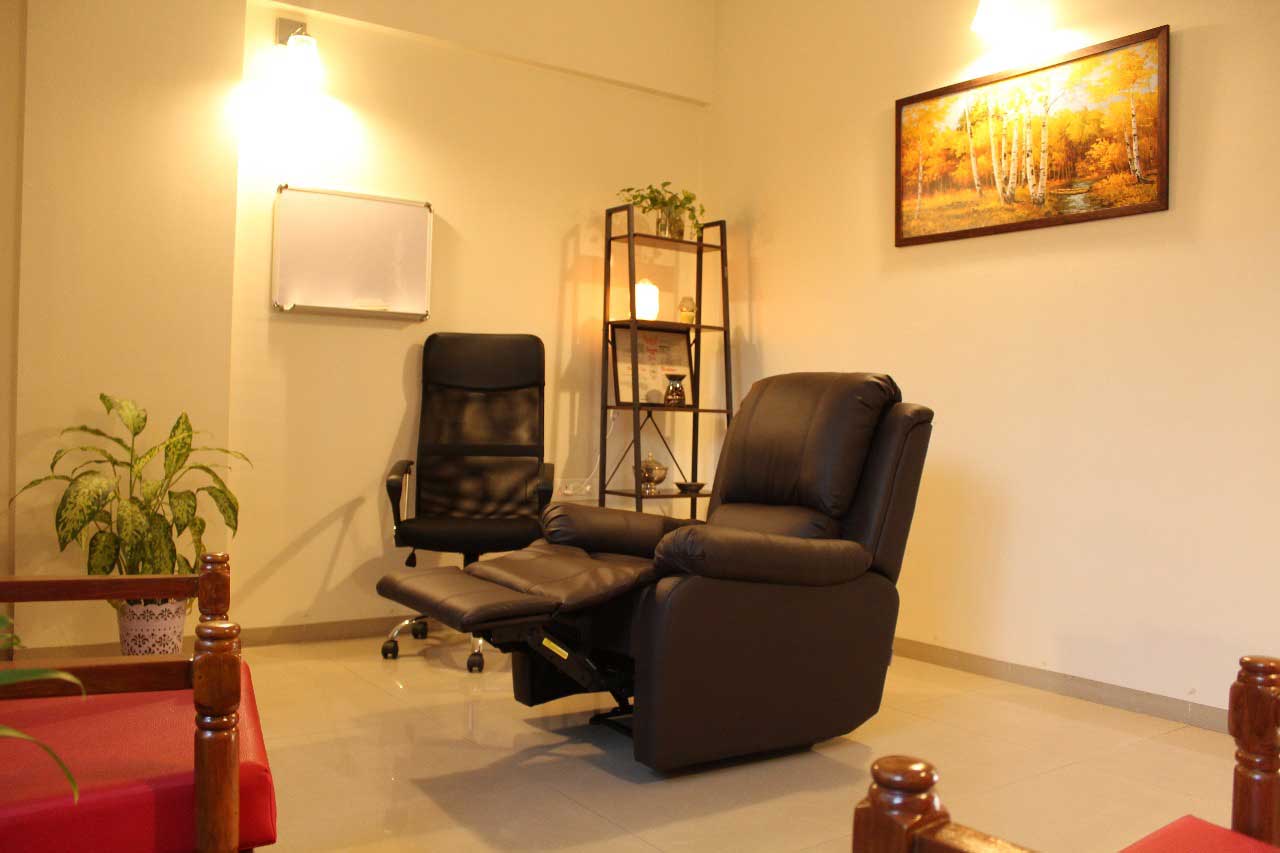
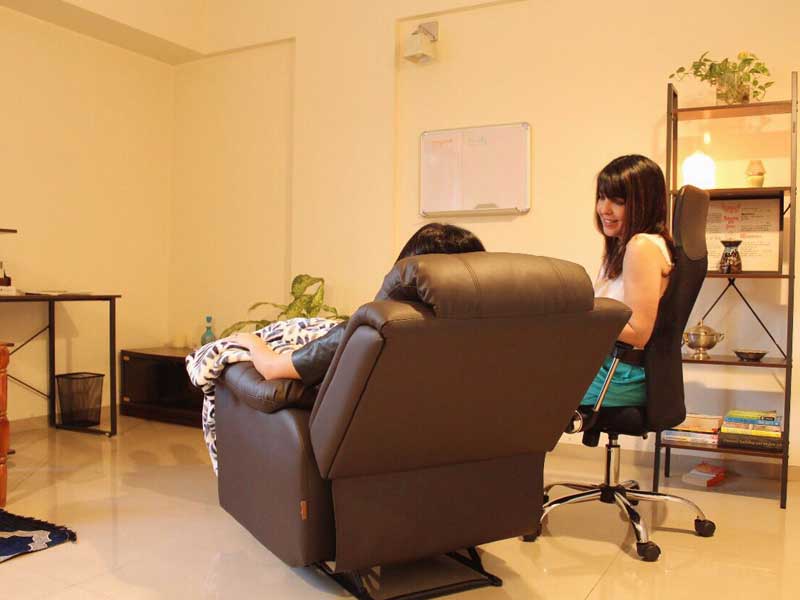
An overview.
First session from Rs 1000
For the family that has stopped hearing itself. Family counselling brings everyone into a calmer room than the one the conversation is happening in.
Family therapy is when a family comes together to resolve issues that sometimes go unheard in our day to day lives. The aim of this type of therapy is to help and encourage each family member to empathise with one another, making each other's problems easier to understand and accept.
Most families know what the recurring arguments are. The difficulty is rarely the topic. It is that the topic only comes up at the wrong moment, in the wrong tone, with everyone already tired. Therapy gives the same topic a different setting. Slower. Quieter. With someone in the room whose job is to keep it fair.
Empathy is contagious. So is understanding.
The work is not about deciding who is right. It is about each person leaving with a clearer picture of how the others actually see things. The arguments that follow tend to be shorter, and the silences less heavy.
A quiet rhythm, not a rigid plan.
Therapy is not procedural. These are the four movements you can expect, each one shaped around you.
Set the ground.
Simple rules for the room, agreed by everyone, that make hard conversations possible.
Each person heard.
Every member gets uninterrupted time. The others practise listening before responding.
Name the pattern.
Once everyone has spoken, the shared pattern usually becomes visible. We name it together.
One small change.
We agree on one specific thing to try before the next session. Just one. That is usually plenty.
A few things people often ask.
Does the whole family have to come?
Not at all. We often begin with whoever is willing, and add others over time.
What if one family member is reluctant?
That is common. We can begin without them. Many reluctant members join later, once they see the room is fair to everyone.
How long does family work usually take?
It depends on the situation. A handful of sessions for a specific issue. Longer for patterns that have been there for years.
Will old grievances be brought up?
Only where useful. The point is not to relitigate history, but to understand how the past is shaping the present.